Pigment and laser
Pigment types, depth, colours, Q-switch, picosecond systems and wavelength choice.
Learn to analyse pigment, assess clients, select wavelength and settings, and evaluate immediate and delayed skin response.
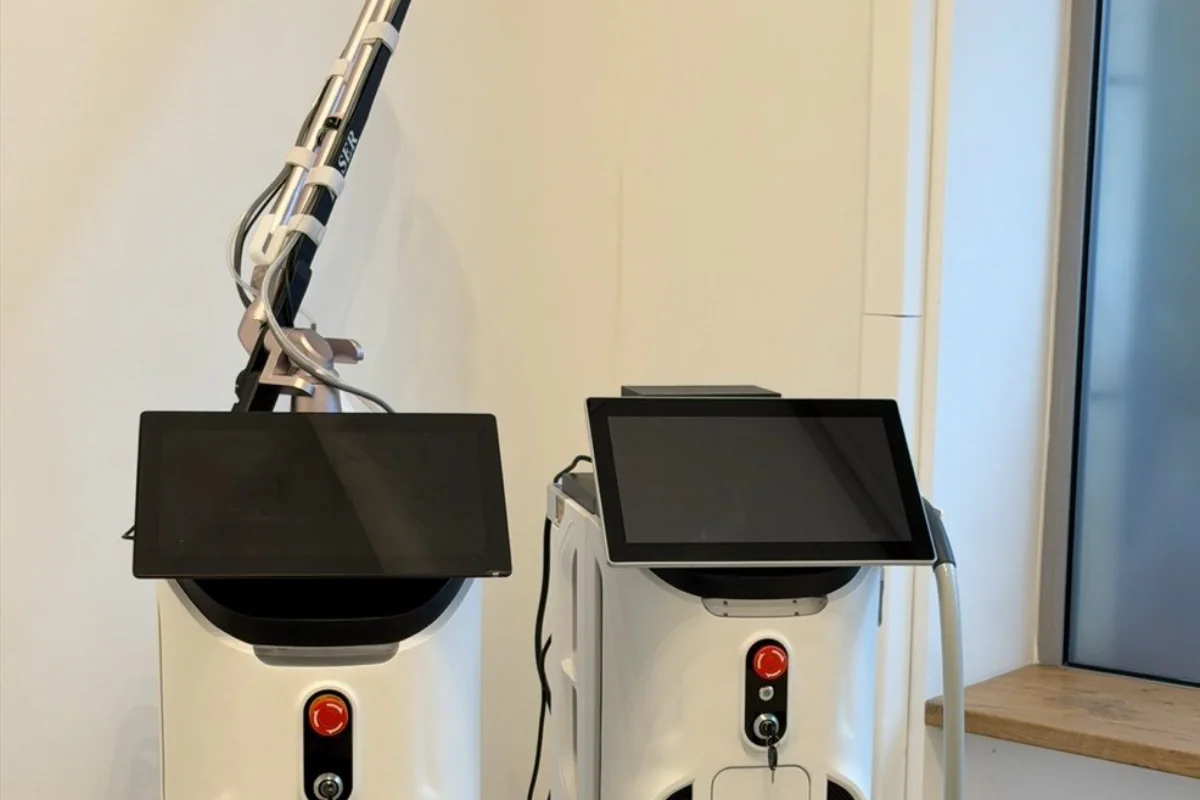
Before booking, we discuss your experience, device and goals so the theory and practical scope can be adjusted appropriately.
The programme focuses on conscious procedure planning, safety and practical decisions — not only on operating a device.
You will receive the exact timetable and model scope before confirming your booking.
Pigment types, depth, colours, Q-switch, picosecond systems and wavelength choice.
History, skin condition, scarring, medication, tanning, expectations and contraindications.
Wavelength, energy, spot size, frequency, pulse and progressive adjustment.
Test spot, frosting, swelling, pinpoint bleeding, coverage and stop criteria.
Pigment analysis and supervised performance of the agreed scope.
Intervals, aftercare, pigment clearance, photography and realistic outcome communication.
Message us on WhatsApp. We will explain the programme, practical format, price and available dates.
Practice covers client consultation, workstation preparation, the agreed procedure scope and a structured review of technique and decisions.
After completing the programme, participants receive a named OG Academy certificate in Polish and English confirming the subject and scope of the course. It is a private training-centre certificate, not a state qualification.
Training does not replace professional education, the device manufacturer’s instructions or the duty to work within applicable law, hygiene standards and one’s own professional competence.
To set expectations, here is what the course does not include.
Our PMU removal training in Europe is open to specialists from Poland and other European countries. Participants travel to Pruszków near Warsaw, and the theory module can be completed online beforehand, so the on-site visit is spent on hands-on practice with models.
Sessions run in English, Polish, Ukrainian or Russian, individually or in a group of up to three. If you already own a device, send the model and documentation so the program can be matched to it.
Below is an example of how an on-site day runs. The exact hourly plan and number of models are confirmed in the programme before booking.
The Q-switched and picosecond laser principle, matching wavelength to pigment colour, tattoo depth and age, PMU as a separate case.
Energy, spot size, frequency, number of passes and 'frosting'. Telling a normal reaction from an excessive one.
The trainer assesses the tattoo, does a test and the first pass, covering safe coverage and cooling.
Working on a section of a tattoo: coverage control, avoiding overlaps, watching the skin and technical pauses.
Permanent brow or lip makeup and coloured pigments: caution, the risk of a colour shift, tests.
Planning long intervals between sessions, aftercare advice, consent, photos and realistic expectations about the number of sessions.
Yes, within the selected option and available models.
Yes, including differences and parameter logic; hands-on work depends on the available device.
It depends on many factors; we teach responsible communication without promising an exact number.
Yes. We discuss pigment transformation risks and the importance of test spots.
Yes, with the scope agreed before booking.
Tell us about your experience and preferred training format. We will reply with a tailored proposal.
Tell us about your experience and whether you prefer individual, group or online training.
+48 794 649 444
akademia@ogacademy.pl